Understanding Camera Bags: A Guide for Professionals
Choosing the right camera bag is essential for photographers and videographers. This guide explores various types of camera bags, their uses, and material considerations.
Types of Camera Bags
Camera bags come in various styles, each designed to meet specific needs of photographers and videographers. The most common types include backpacks, shoulder bags, messenger bags, and rolling cases. Each type offers unique benefits and is suited for different shooting scenarios.
Backpacks
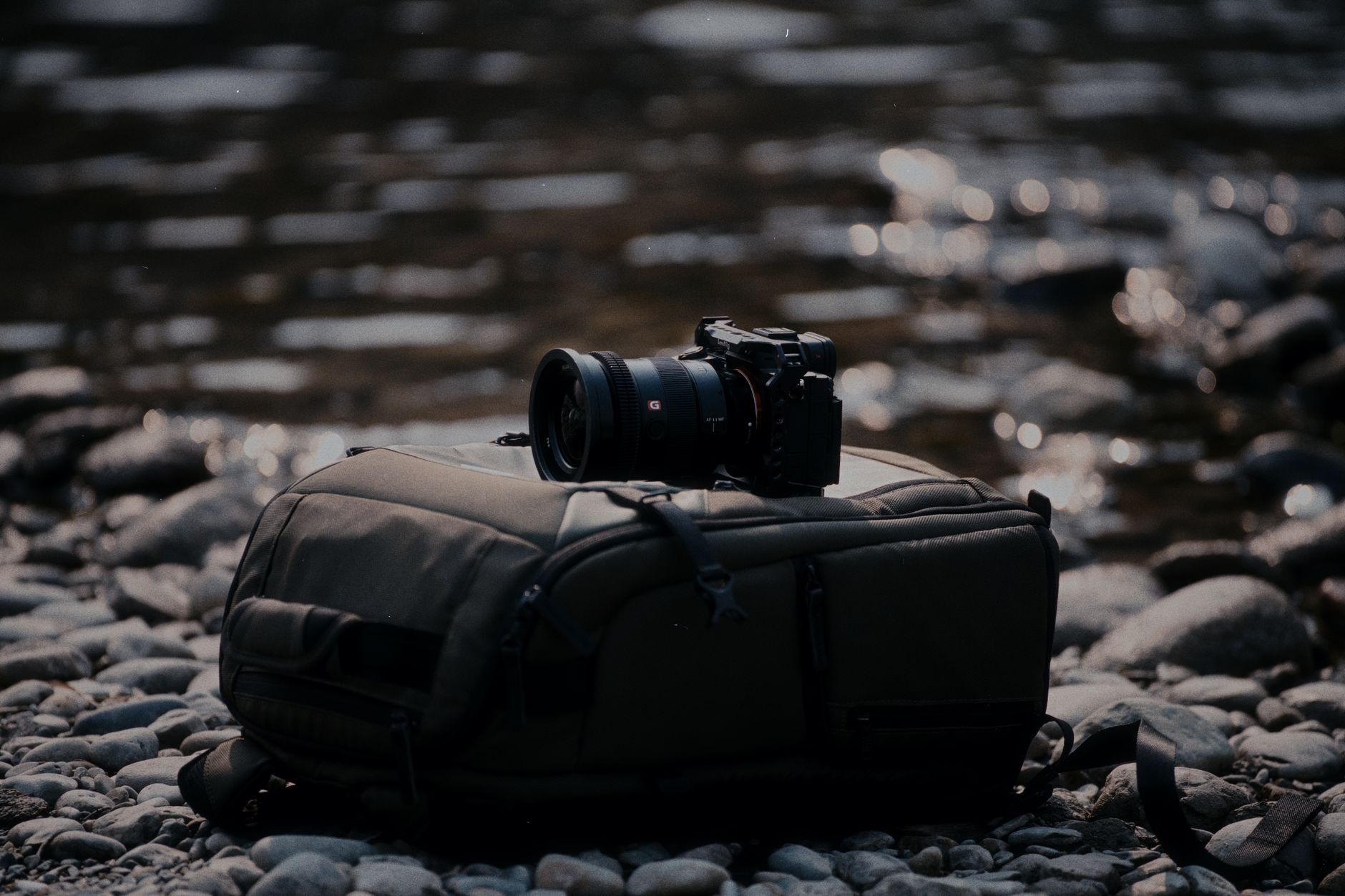
Backpacks are favored for their comfort and capacity. They allow for even weight distribution, making them ideal for long shoots or outdoor settings. Many models feature customizable compartments, enabling users to organize their gear efficiently. Some backpacks also include weather-resistant materials, protecting equipment from rain or moisture.
Shoulder Bags
Shoulder bags provide quick access to equipment, making them suitable for street photography or events. They typically have a more compact design and can be less cumbersome than backpacks. However, their capacity is often limited compared to larger bags. Some shoulder bags come with additional pockets for personal items, which can be useful for on-the-go needs.
Messenger Bags
Messenger bags combine the quick-access feature of shoulder bags with a more casual style. They are often used by urban photographers who need to move quickly and blend in. These bags usually have a flap closure, which can provide additional weather protection. Their design allows for easy access to gear without needing to remove the bag completely.
Rolling Cases
For videographers or photographers with extensive gear, rolling cases are a practical choice. These bags offer ample storage and are designed to protect equipment during transport. Many rolling cases feature padded dividers and can accommodate larger items like tripods and lighting equipment. They are particularly useful for travel or when moving between locations.
Hybrid Bags
Hybrid bags combine features of different styles, offering versatility for users. For example, some backpacks come with detachable shoulder straps, allowing them to be used as a shoulder bag as well. This flexibility can be beneficial for professionals who require different carrying options depending on the shoot.
Material Considerations
The material of a camera bag is crucial for durability and protection. Common materials include nylon, canvas, and polyester, each offering varying levels of weather resistance and weight. Bags with reinforced stitching and heavy-duty zippers can provide additional longevity. It's important to consider the environment in which the bag will be used to choose the most suitable material.
Size and Capacity
When selecting a camera bag, size and capacity are critical factors. Users should assess their gear and choose a bag that can comfortably accommodate it without being overly bulky.
Conclusion
Choosing the right camera bag is essential for photographers and videographers. Understanding the various types available, their specific uses, and material considerations can help professionals select a bag that meets their needs. Evaluate your gear, shooting style, and transport needs to make an informed choice that enhances your workflow.


