HoverAir's Pocket-Sized Drone Gains FCC Approval for US Market
HoverAir's compact self-flying drone, which doubles as a handheld gimbal camera, secures FCC clearance in the US, offering an alternative to DJI's restricted models.
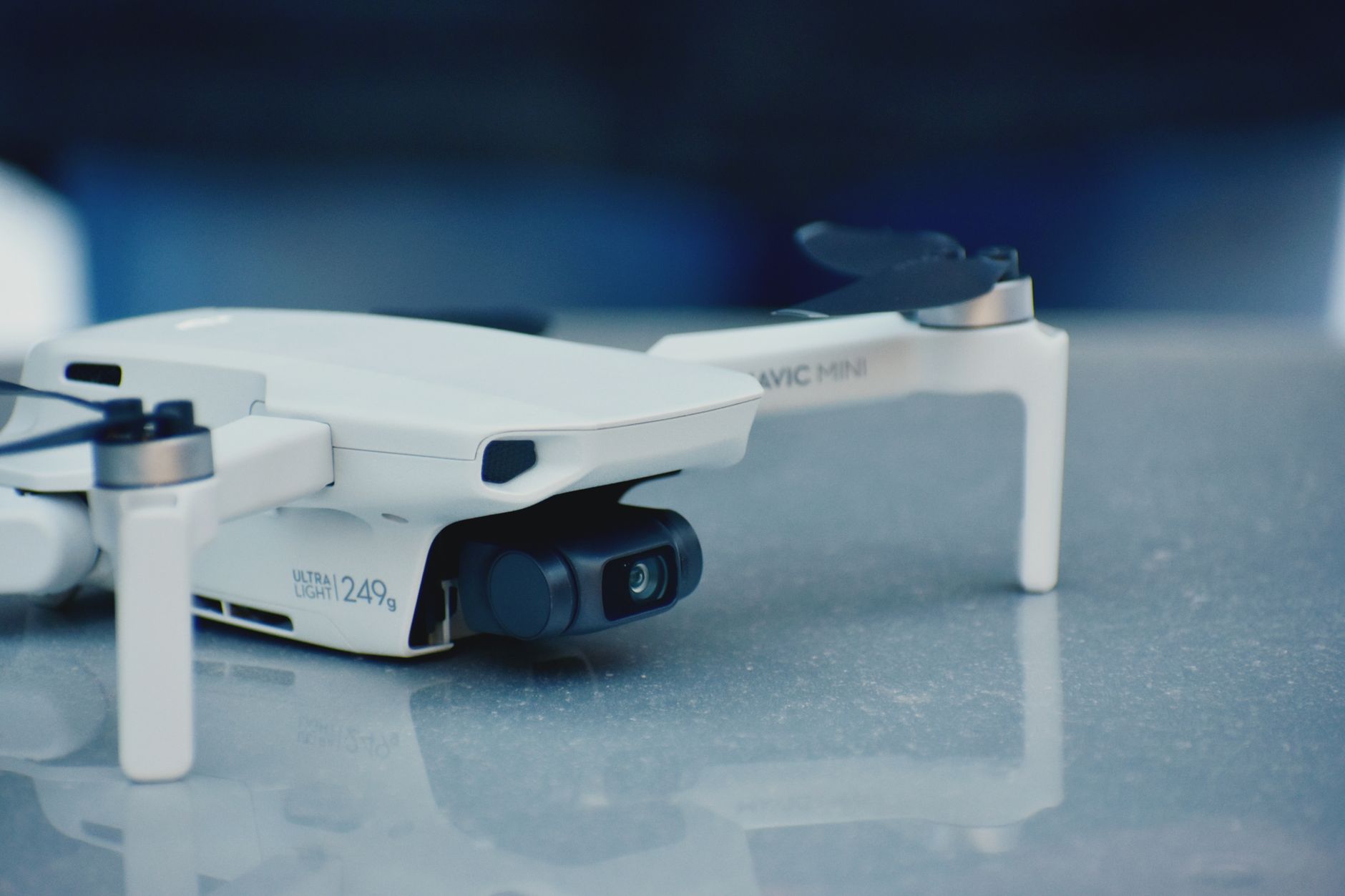
HoverAir's Dual-Use Drone Clears Regulatory Hurdle
The HoverAir drone has received FCC certification for US operations, distinguishing it from DJI models currently facing regulatory restrictions. This palm-sized device combines autonomous flight capabilities with a handheld gimbal mode, packing both functions into a 125g package that avoids FAA registration requirements.
Transformative Design for Compact Aerial Imaging
When not in flight, the HoverAir folds into a stabilized handheld camera with three-axis gimbal functionality. The conversion requires no accessory attachments - the drone's arms and rotors tuck away to form a self-contained imaging device. This dual-purpose approach addresses the FAA's 250g weight limit for unregistered drones while maintaining professional-grade stabilization.
Regulatory Advantage Over Chinese Competitors
HoverAir's FCC approval comes as Chinese drone maker DJI faces increasing scrutiny from US regulators. The clearance allows HoverAir to operate legally in American airspace without the security concerns that have limited some competitors. The certification covers both the drone's 5GHz WiFi control system and its transmission protocols.
Technical Specifications and Flight Capabilities
The compact drone records 2.7K video at 30fps and 1080p at 60fps, with a 1/3-inch CMOS sensor capturing 12MP stills. Its foldable design measures 1425046.5mm in gimbal mode, expanding to 18618646.5mm when configured for flight. The integrated battery provides approximately 15 minutes of flight time per charge.
Market Positioning and Availability
HoverAir enters a competitive space dominated by heavier, more expensive drones requiring FAA registration. The company has not announced US pricing or availability dates, but the FCC clearance removes the final regulatory barrier to market entry. The approval suggests potential retail availability within the current quarter.
Implications for Consumer Drone Market
This certification demonstrates that compact, multi-use drones can meet FCC requirements while avoiding the geopolitical complications affecting some Chinese manufacturers. The approval may prompt similar innovations from competitors seeking to combine portability with regulatory compliance in sensitive markets.
For operators seeking alternatives to restricted drone brands, HoverAir's FCC clearance provides a verified option worth monitoring as release details emerge. Check the FCC database (ID 2A5W8-X1) for technical certification documents.

