DJI Dock 4 Introduces Rapid Battery-Swapping for Drones
DJI has announced the Dock 4, an innovative automated docking system designed for its enterprise drones, specifically enhancing the operational efficiency of drone missions. The Dock 4 features a rapid battery-swapping capability that allows for the replacement of depleted batteries in just 25 seconds, significantly reducing downtime and enabling continuous drone operations.
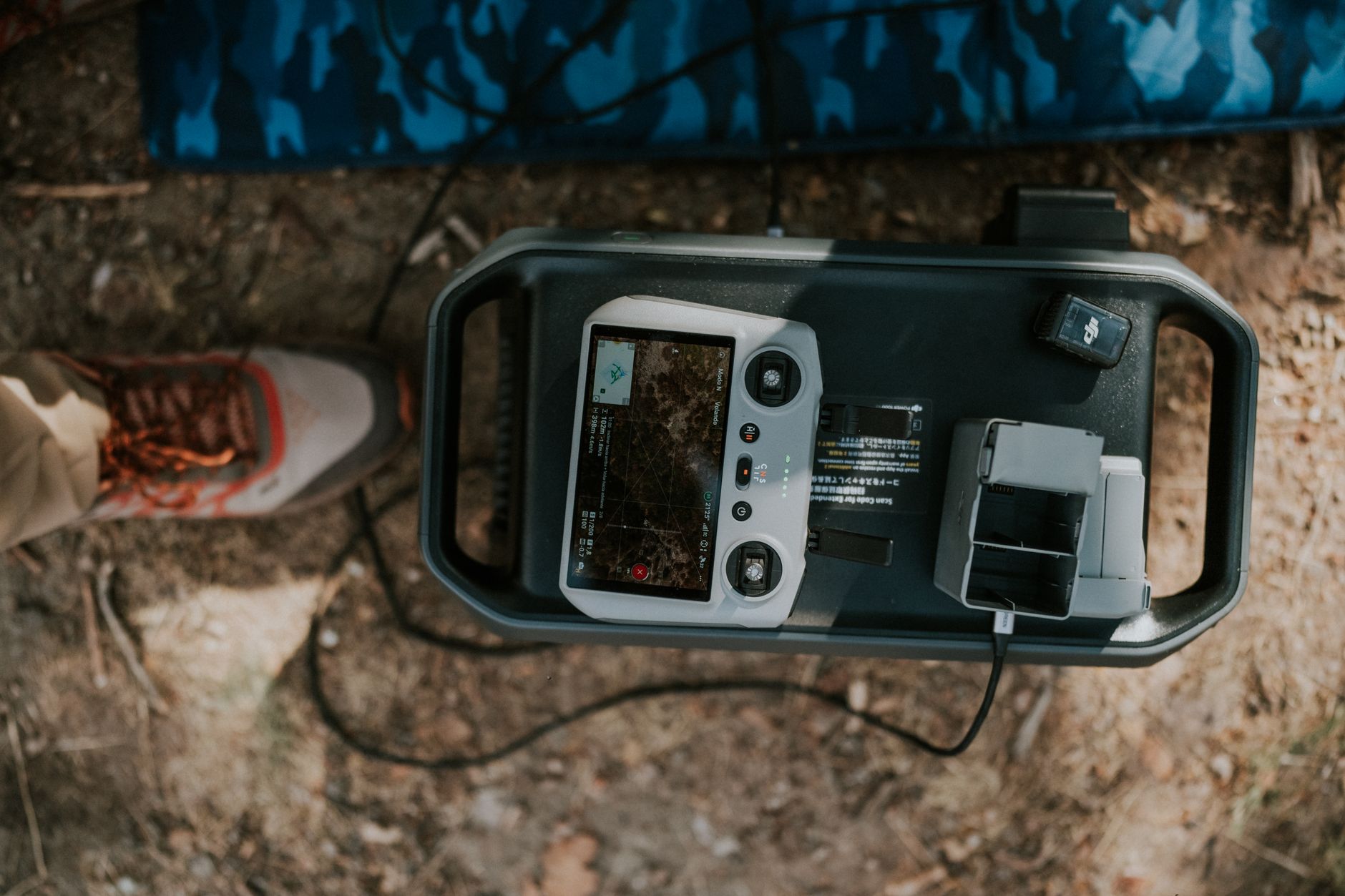
Introduction of DJI Dock 4
DJI has announced the Dock 4, an innovative automated docking system designed for its enterprise drones, specifically enhancing the operational efficiency of drone missions. The Dock 4 features a rapid battery-swapping capability that allows for the replacement of depleted batteries in just 25 seconds, significantly reducing downtime and enabling continuous drone operations. However, this feature is not yet available for purchase in the United States.
Significance of Rapid Battery Swapping
The 25-second battery swap time positions the Dock 4 among the fastest in the market, especially when compared to other manufacturers whose swap times typically range from 90 seconds to two minutes. This quick turnaround is particularly beneficial for emergency response teams, public safety agencies, and other organizations that require drones for ongoing aerial monitoring. The ability to swiftly replace batteries means that drones can remain airborne during critical operations without the need for lengthy recharging periods.
Features of the Dock 4
The Dock 4 is DJI's first automated docking system to incorporate battery swapping. This system is designed to improve the responsiveness and autonomy of drones like the newly launched Matrice 5TD, which is equipped with advanced features such as thermal imaging, long-range zoom, LiDAR, and onboard AI capabilities. The integration of these technologies allows for a more effective response in time-sensitive situations, such as search and rescue missions or infrastructure inspections.
Applications in Emergency Response
The Dock 4's battery-swapping technology can be a game changer for various sectors. For instance, a police department can deploy a drone to search for a missing person, while a fire department can monitor the progression of a wildfire. The ability to quickly swap batteries means that drones can return to their docking stations, recharge, and resume operations without requiring personnel to be physically present at the site, thereby enhancing overall operational efficiency.
Performance of the Matrice 5TD
The Matrice 5TD, which operates with the Dock 4, boasts a flight time of up to 59 minutes under optimal conditions and can reach speeds of up to 21 meters per second. This performance allows for rapid deployment and coverage of large areas, which is crucial during emergencies. Furthermore, the drone's dedicated video transmission system reduces latency to as low as 160 milliseconds, offering a 32% improvement over previous models. This advancement facilitates real-time decision-making based on live aerial footage.
Advanced Imaging and Sensing Capabilities
Equipped with a comprehensive imaging and sensing package, the Matrice 5TD combines wide-angle and telephoto cameras, along with an infrared thermal camera. The telephoto camera features a 252mm equivalent focal length, enabling operators to capture detailed images from distances of up to 400 meters. This capability is particularly useful for infrastructure inspections, allowing operators to assess equipment without needing to fly close to potentially hazardous areas.
Thermal Imaging and Night Operations
The thermal camera on the Matrice 5TD provides resolutions of up to 2560 x 2048 in Ultra High Resolution mode and supports 2K video recording. It also offers up to 32x zoom capabilities at night, enabling the identification of overheating components and other thermal anomalies. Additionally, DJI has introduced a Fusion Mode that overlays visible-light and infrared imagery, allowing operators to visualize structural outlines alongside heat distribution in a single frame. This feature is advantageous for detecting issues that may not be visible through conventional cameras.
Conclusion
The DJI Dock 4 and Matrice 5TD together represent a significant advancement in drone technology for enterprise applications. With the ability to rapidly swap batteries, these systems are poised to enhance operational efficiency for various sectors, from emergency response to infrastructure monitoring. Organizations interested in adopting this technology should consider the implications of increased drone uptime and the potential for improved situational awareness in their operations.