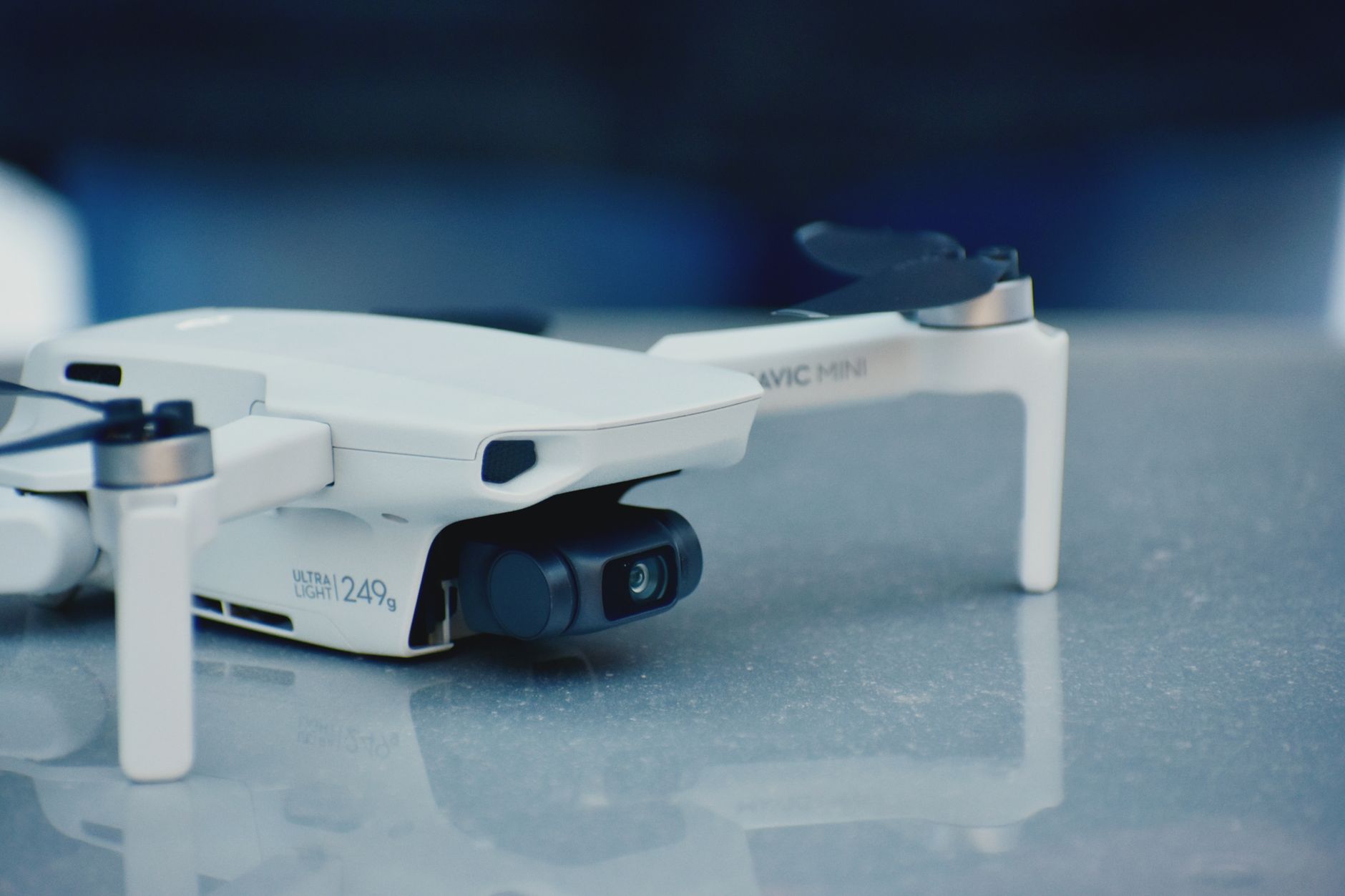
FCC Bans HoverAir Versa Despite 'Flying Camera' Claim
The FCC rejected Zero Zero Robotics' attempt to classify the HoverAir Versa as a camera, not a drone, and removed it from certification.

FCC Rejects HoverAir Versa Loophole
The Federal Communications Commission (FCC) has banned the HoverAir Versa after determining it violates U.S. drone regulations, despite manufacturer Zero Zero Robotics marketing it as a 'flying camera.' The FCC stated the device was added to its database 'erroneously' and is considering further action against the company for 'willfully violating' its Covered List rules. The Versa's camera alone qualifies as a prohibited unmanned aircraft system (UAS) component, and with its Flight Kit attachments, it falls under the foreign-made drone ban.
How Zero Zero Robotics Tried to Skirt the Ban
Zero Zero Robotics attempted to bypass the FCC's restrictions by certifying only the camera portion of the Versa, arguing that the propeller attachments were optional accessories. The company claimed the device was an 'Intelligent Self-Flying Camera' rather than a drone. However, the FCC's definition of a drone includes 'unmanned aircraft and associated elements required for operation,' which encompasses the Versa's flight components. The agency has since revoked the certification and warned certification bodies to block devices on its Covered List.
The FCC's Crackdown on Foreign-Made Drones
The ban stems from a 2025 National Defense Authorization Act (NDAA) provision targeting drones from 'covered foreign entities.' While HoverAir argued its camera wasn't on the banned list, the FCC ruled that the Versa, when fully assembled, meets the criteria of a prohibited foreign-made UAS. The agency emphasized that even if the propellers are sold separately, their inclusion transforms the device into a regulated drone.
HoverAir's Marketing vs. Regulatory Reality
Zero Zero Robotics never used the terms 'drone' or 'UAS' in its marketing, instead labeling the Versa a '2-in-1 Handheld Gimbal Camera + Intelligent Self-Flying Camera.' The company's Indiegogo campaign offered the camera alone for $450 or a $630 bundle with flight accessories. Despite FCC authorization initially being granted on August 9, the agency later clarified that the approval was a mistake and that the Versa violates its foreign drone ban.
Technical Specifications and Comparisons
The Versa features a 1/1.3-inch CMOS sensor, 4K/60fps video, and a three-axis gimbal. With flight attachments, it weighs 230g and reaches speeds of 22mph-comparable to DJI's Neo 2 drone. However, its detachable wings and camera-first positioning were not enough to convince the FCC that it isn't a drone.
What's Next for HoverAir and the FCC
The FCC is evaluating further penalties against Zero Zero Robotics for regulatory violations. Consumers who backed the Indiegogo campaign may not receive the product if the ban holds. The case highlights the challenges companies face in navigating U.S. drone regulations and the FCC's strict enforcement of its Covered List.
Key Takeaways for Buyers
Prospective buyers should be cautious about crowdfunded drones, especially those attempting to bypass regulations. The FCC's swift reversal on the Versa demonstrates that loopholes are unlikely to hold. For now, the HoverAir Versa remains banned in the U.S., and its future availability is uncertain.