DJI Says New Drone Ban Targets Civilian Users, Not Military
DJI claims a recent FCC ban on 'military-grade' drones unfairly impacts its civilian customers, citing restrictions on crop-dusting and thermal camera drones.
DJI Challenges FCC's Broad Drone Ban
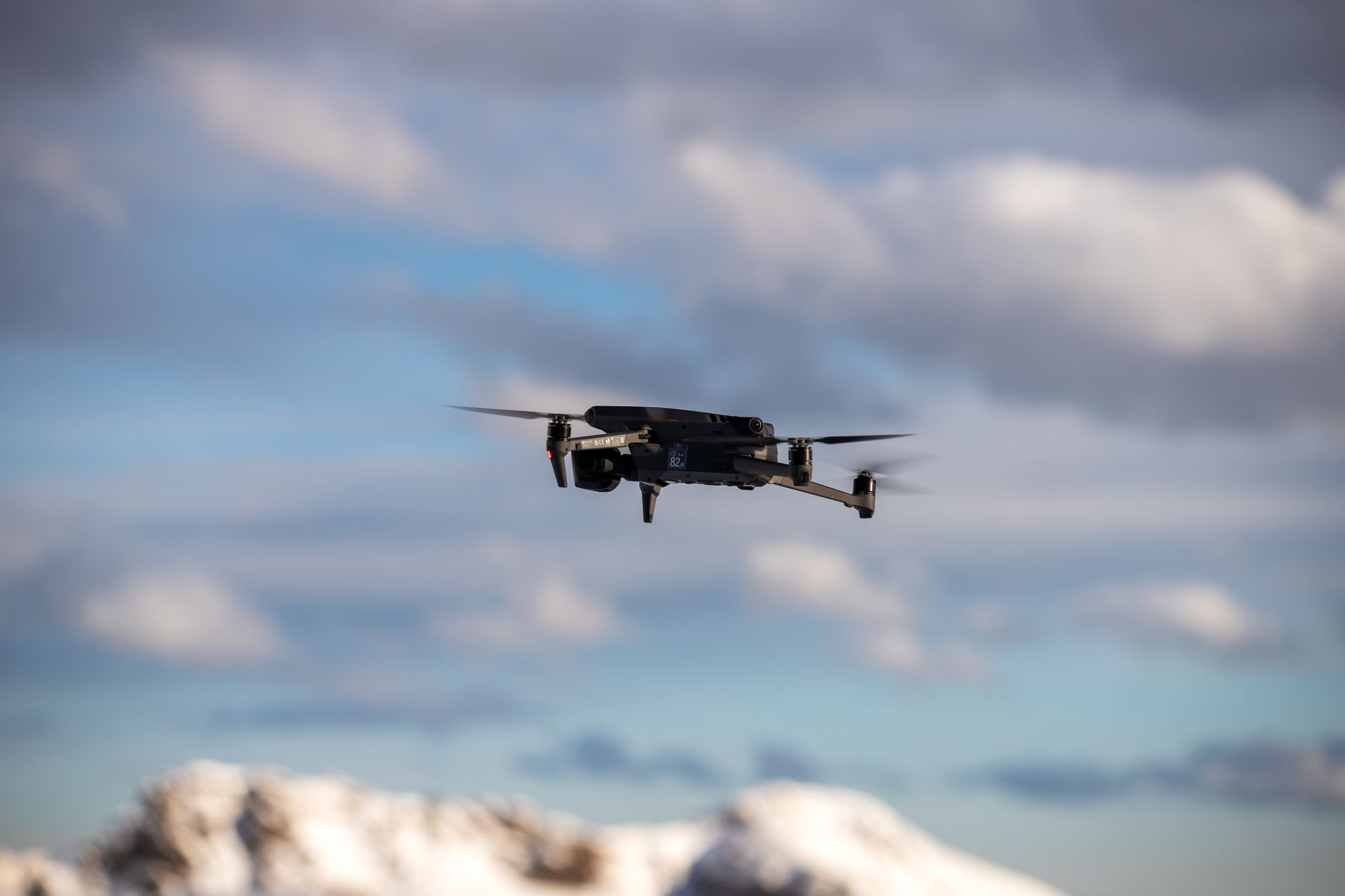
DJI, the world's largest drone manufacturer, argues that a new FCC ban on foreign 'military-grade' drones disproportionately affects civilian operators. The July 21st ruling targets drones with crop-dusting capabilities (deemed potential chemical dispensers), models over 55 lbs (capable of carrying weapons), and those equipped with LiDAR or thermal cameras (flagged as surveillance risks). DJI insists these features serve agricultural, industrial, and first-response applications.
Retroactive Restrictions Spark Backlash
The FCC's proposal includes retroactive bans, potentially grounding existing fleets. DJI has launched a public campaign urging users to submit feedback to the FCC by September 15th. The company highlights that 90% of its U.S. customers are commercial operators in construction, agriculture, and public safety sectors.
Thermal Cameras in the Crosshairs
While the FCC cites espionage concerns over thermal imaging drones, DJI notes this technology helps firefighters locate victims through smoke and assists utility crews in identifying overheating equipment. Over 1,200 U.S. fire departments currently use DJI drones with thermal cameras.
Weight Limits Disrupt Industrial Applications
The 55-pound threshold would prohibit heavy-lift drones used for transporting medical supplies in rural areas and industrial equipment inspections. DJI's Agras T40 crop-spraying drone (weighing 57 lbs when loaded) exemplifies affected models that farmers rely on for precision agriculture.
Dock Systems Face Scrutiny
Automated drone docking stations, which enable beyond-visual-line-of-flight operations for infrastructure monitoring, are also targeted. The FCC contends these could enable persistent surveillance, while energy companies argue they reduce the need for hazardous manual inspections of power lines.
What Users Can Do
DJI directs affected operators to file comments via the FCC's Electronic Comment Filing System (ECFS) under proceeding number 26-321 before the September 15th deadline. The company provides template language emphasizing the civilian benefits of currently restricted technologies.
Broader Industry Impact
Analysts suggest the ruling could accelerate development of U.S.-based drone manufacturers but warn of short-term supply chain disruptions. The Commercial Drone Alliance estimates the restrictions could cost operators $169 million in retrofitting expenses during the first year.

