Why the Konica IIA Remains a Favorite Among Film Camera Enthusiasts
The Konica IIA combines rugged construction, a sharp lens, and manual controls in a compact body, making it a practical choice for film photographers today.
Build Quality That Stands the Test of Time
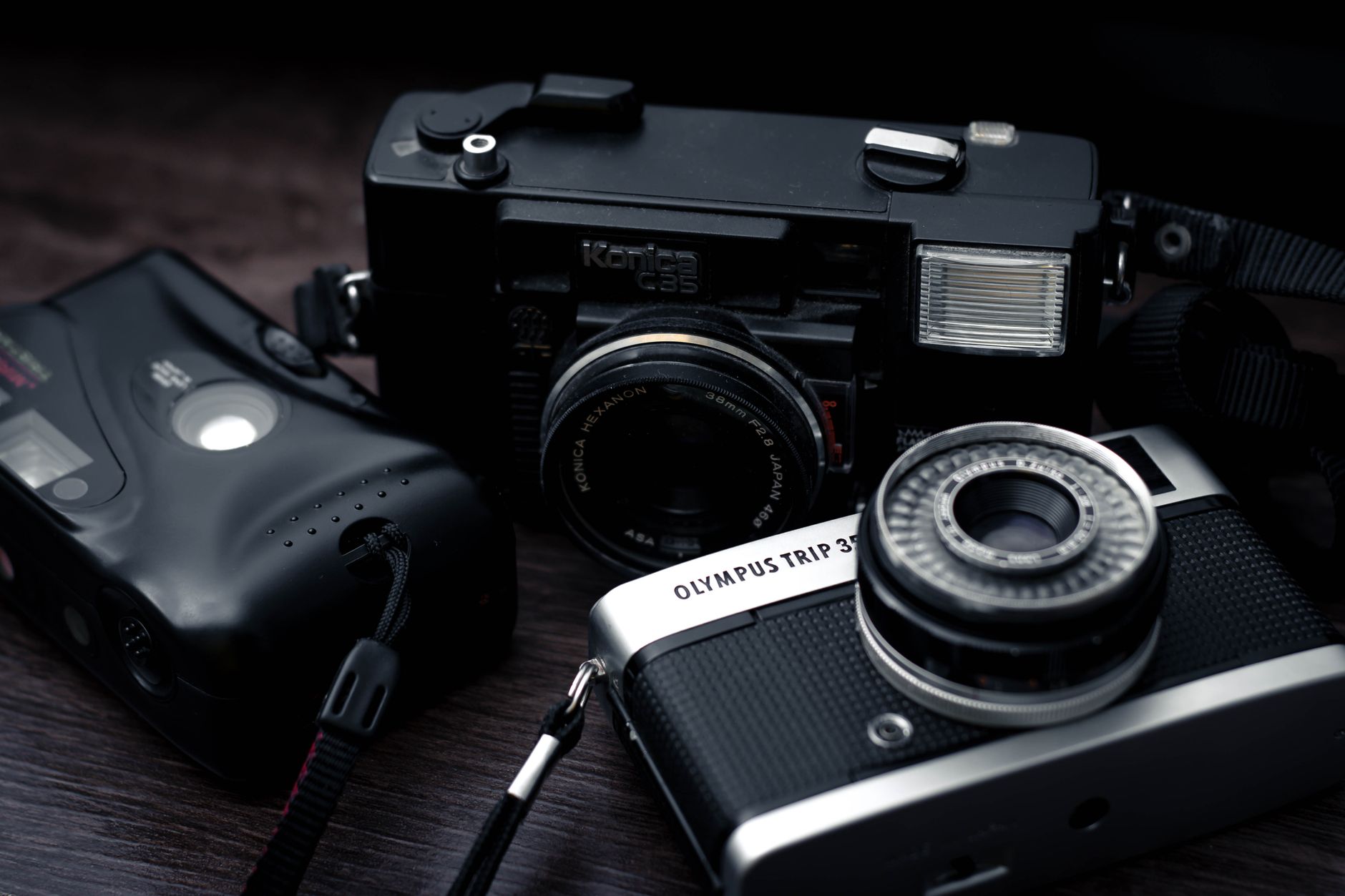
The Konica IIA's die-cast aluminum body and chrome plating resist wear better than many contemporaries. Its hinged back, uncommon for 1950s rangefinders, simplifies film loading compared to bottom-loading designs. The shutter mechanism uses metal blades rather than cloth, reducing susceptibility to light leaks over decades.
A Lens That Still Delivers Sharp Results
Its Hexanon 48mm f/2 lens employs six elements in four groups, a design that minimizes distortion while maintaining light gathering. The coating technology, advanced for 1956, reduces flare when shooting against bright light. Users report the lens resolves detail well enough to produce crisp 11x14 enlargements from 35mm negatives.
Manual Controls That Teach Core Photography Skills
The IIA's shutter speed dial (1-500th sec) and aperture ring (f/2-16) operate independently, requiring photographers to understand exposure balancing. The coincident-image rangefinder needs calibration but provides precise focus feedback. These manual operations slow the process, encouraging deliberate composition.
Compact Size With Minimal Compromises
At 580g and 130mm wide, the IIA fits in a jacket pocket yet includes a brightline viewfinder with parallax markings. The advance lever doubles as a shutter lock, preventing accidental exposures. Unlike later electronic models, its mechanical nature means it functions without batteries.
What to Check Before Buying a Used Model
Inspect the rangefinder patch alignment at infinity and test shutter speeds above 1/125th for consistency. Sticky aperture blades are common but often remedied with professional servicing. Original lens caps and case add collector value but don't affect functionality.
How It Compares to Other Vintage Rangefinders
The IIA lacks the Leica M3's interchangeable lenses but costs a quarter of the price. Its viewfinder is dimmer than the Canon P's but offers clearer framelines. While the Minolta CLE has faster shutter speeds, the Konica's all-metal construction typically shows less wear.
Getting the Best Results From the Konica IIA Today
Pair it with ISO 400 black-and-white film to maximize the lens's performance in varied light. Use a handheld meter or sunny-16 rule to compensate for the aging selenium light meter's likely inaccuracy. For critical work, bracket exposures by half-stops to account for shutter timing drift.