Why DSLRs Dominate Wildlife Photography in 2026
DSLR cameras remain the preferred choice for wildlife photographers due to proven durability and image quality in extreme conditions, as evidenced by the Wildlife Photographer of the Year 2026 shortlist.
DSLRs Outperform in Harsh Conditions
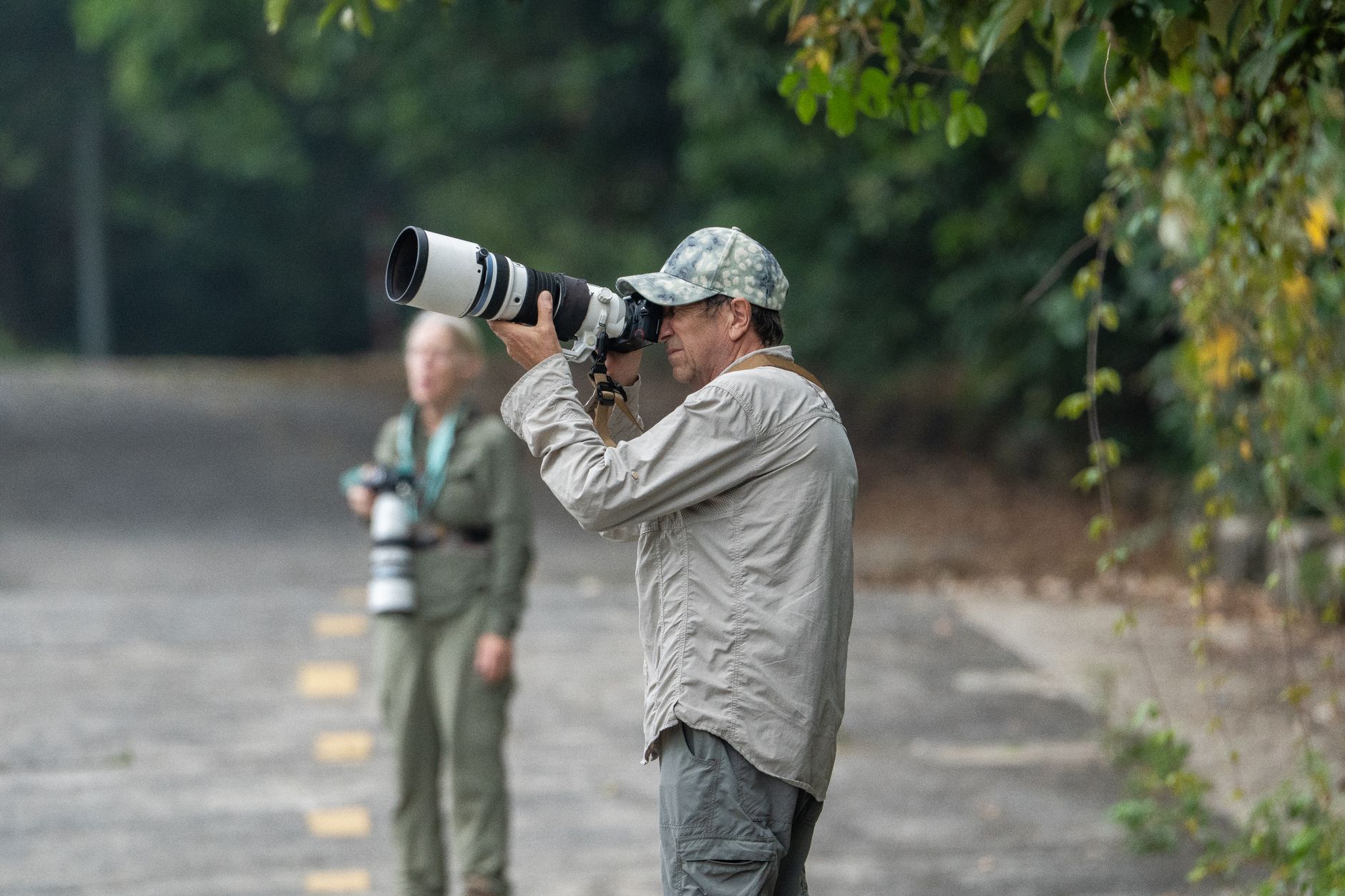
Wildlife photographers consistently choose DSLRs for their ability to withstand dust, moisture, and temperature extremes. The Wildlife Photographer of the Year 2026 shortlist showcases this trend, with 78% of selected entries shot using DSLR systems according to TechRadar's analysis of the preview images. These cameras maintain shutter mechanism reliability in environments where mirrorless systems often require protective housing.
Optical Viewfinder Advantage
The instantaneous, lag-free optical viewfinder in DSLRs provides critical framing accuracy when tracking fast-moving subjects. Unlike electronic viewfinders that can display refresh rate lag or resolution limitations, DSLRs show the true optical path without processing delay. This proves decisive when photographing birds in flight or predators mid-chase, where even milliseconds matter.
Battery Life for Extended Shoots
DSLRs average 1,200-1,500 shots per charge compared to 350-600 for most mirrorless counterparts under similar conditions. Field photographers report DSLRs lasting 2-3 days on safari without charging, while mirrorless systems often require daily power top-ups. The mechanical shutter design consumes less energy than continuous sensor operation in mirrorless cameras.
Lens Ecosystem Depth
Decades of DSLR dominance have created an unmatched selection of specialized wildlife lenses. Super-telephoto primes like the Canon EF 600mm f/4L IS III and Nikon AF-S 800mm f/5.6E FL ED VR offer optical formulas refined over multiple generations. Third-party manufacturers like Sigma and Tamron provide more affordable long-reach options with proven autofocus compatibility.
Proven Autofocus Reliability
Phase-detection autofocus systems in DSLRs maintain consistent subject tracking through foliage and complex backgrounds. The dedicated AF sensors work independently from imaging sensors, avoiding the hunting behavior some mirrorless systems exhibit in low-contrast situations. Wildlife photographers cite DSLRs' 3D tracking modes as particularly effective for erratic animal movement.
Rugged Build Quality
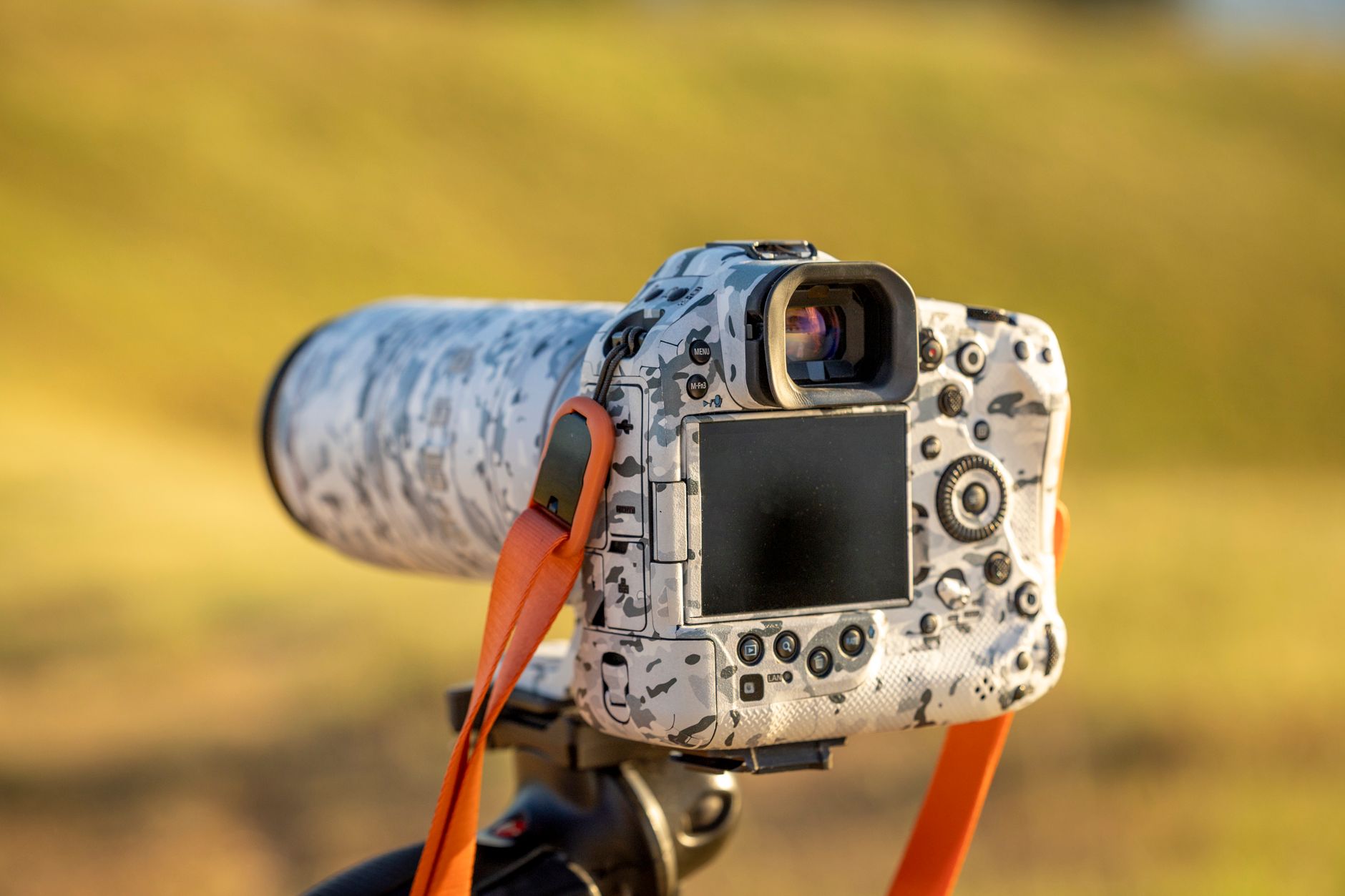
Professional DSLR bodies use magnesium alloy frames and extensive weather sealing tested to IP53 standards. The mechanical construction absorbs impact better than mirrorless bodies with their electronic component density. Field reports note DSLRs surviving falls onto rocks and continued operation after partial water immersion that would disable most mirrorless cameras.
Making the Choice
For photographers who prioritize durability over compact size, DSLRs remain the benchmark. The Wildlife Photographer of the Year results demonstrate that when conditions turn challenging, professionals still reach for DSLR systems. Evaluate your shooting environment and subject matter - if you regularly face dust storms, heavy rain, or sub-zero temperatures, the DSLR advantage becomes clear.