The Role of Cameras in an AI-Driven Future
Exploring the significance of cameras amidst advancing AI technologies.
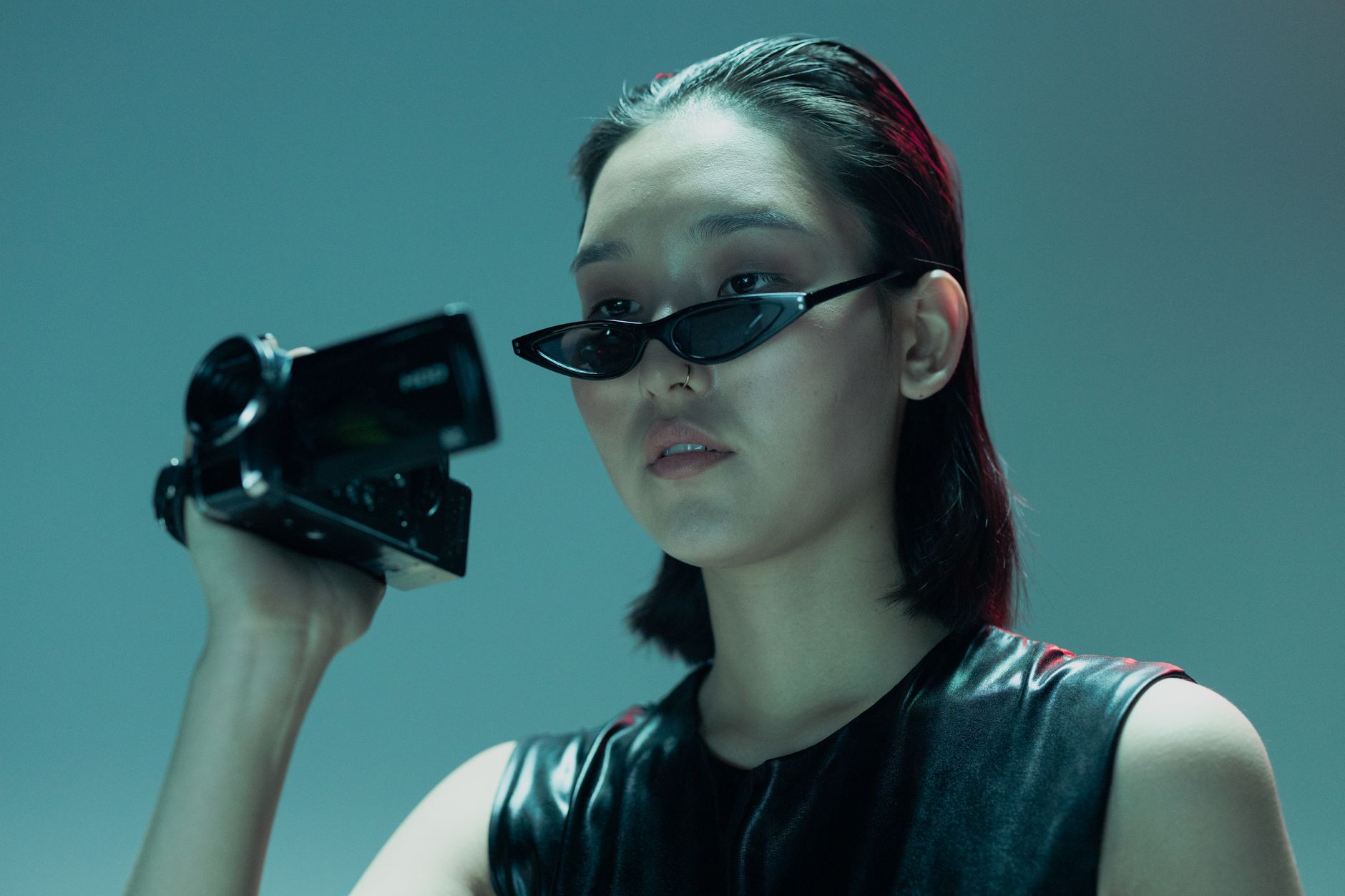
The Enduring Importance of Cameras
Cameras serve as essential tools for photographers and videographers in visual storytelling and documentation. Despite the rise of AI technologies capable of interpreting human emotions and thoughts, the need for authentic visual representation remains strong. Cameras enable professionals to capture moments, convey narratives, and express creativity in ways that AI cannot replicate.
AI's Capabilities vs. Human Creativity
AI technologies have made significant strides in understanding and interpreting human emotions through various means, including facial recognition and sentiment analysis. However, these capabilities do not replace the unique perspective and creative intuition that human photographers bring to their work. While AI can analyze data and predict outcomes, it lacks the ability to create original content infused with personal experience and artistic vision.
The Intersection of AI and Photography
AI tools are increasingly integrated into photography workflows, enhancing the creative process rather than replacing it. For instance, AI-driven software can assist with image editing, automate repetitive tasks, and even suggest composition improvements. This integration allows photographers to focus more on the creative aspects of their work while leveraging AI to streamline technical processes.
Authenticity in Visual Storytelling
In a world where AI can generate images and interpret emotions, authenticity becomes a key differentiator for photographers. The human touch in capturing a moment, the context behind a photograph, and the emotional resonance of a well-composed shot cannot be replicated by AI. This authenticity is what resonates with audiences, making the role of cameras and their operators even more significant.
Evolving Technologies and Their Impact
As technology evolves, the capabilities of cameras also expand. Modern cameras now feature advanced sensors, improved low-light performance, and enhanced autofocus systems, enabling professionals to capture high-quality images in diverse conditions. These advancements complement the rise of AI, allowing photographers to push creative boundaries while maintaining the integrity of their work.
The Future of Photography in an AI Landscape
The future of photography will likely see a continued coexistence of cameras and AI technologies. Photographers can harness AI to enhance their creative processes while ensuring that their unique perspectives and storytelling abilities remain at the forefront. The challenge lies in finding the right balance between utilizing AI tools and preserving the human element in visual storytelling.
Conclusion: Embracing Change While Honoring Tradition
Cameras will remain relevant in an AI-driven world, as they embody the human experience and creativity that AI cannot replicate. Professionals in the field should embrace technological advancements while staying true to the core principles of photography. By doing so, they can ensure that their work continues to resonate with audiences and reflect the complexities of the human experience.


