Mirrorless vs DSLR: Choosing the Right Camera System
Compare mirrorless and DSLR cameras to decide which suits your photography needs, based on autofocus, size, and lens compatibility.
Mirrorless vs DSLR: Core Differences
The key distinction between mirrorless and DSLR cameras lies in their design. DSLRs use a mirror to reflect light into an optical viewfinder, while mirrorless cameras eliminate this mechanism, sending light directly to the sensor. This allows mirrorless models to offer real-time exposure previews and more advanced autofocus systems, as the sensor continuously analyzes the scene. DSLRs, however, typically have longer battery life since they don't rely on an electronic viewfinder.
Autofocus and Shooting Speed
Mirrorless cameras excel in autofocus performance, with systems that can track eyes, animals, and moving subjects across the frame. Their electronic shutters also enable faster burst shooting-useful for action or wildlife photography. DSLRs rely on phase-detection autofocus through the mirror, which, while reliable, lacks the precision of modern mirrorless systems.
Size and Portability
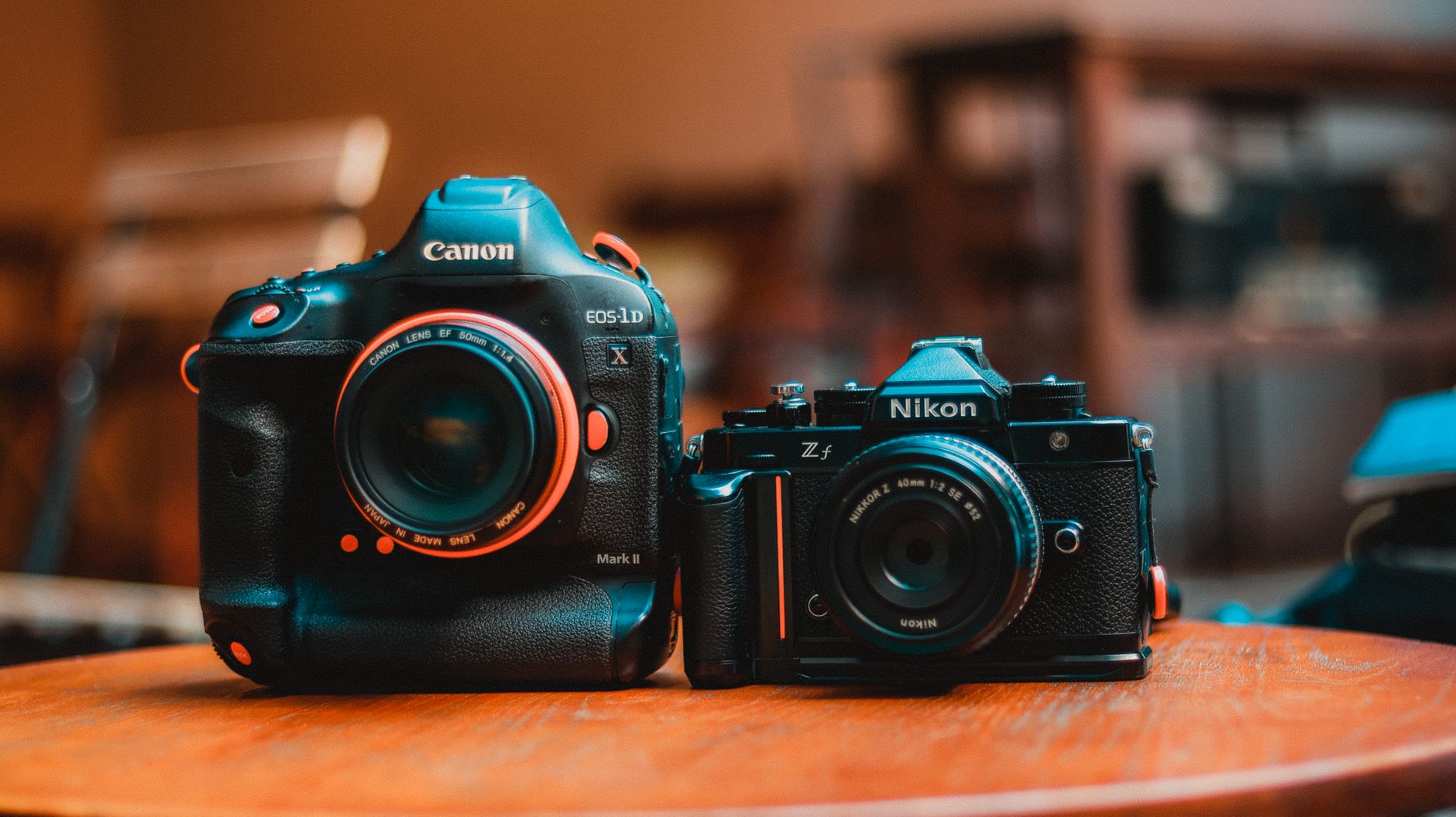
Without a mirror mechanism, mirrorless cameras are generally smaller and lighter. But this advantage diminishes with larger lenses, especially telephoto or professional-grade glass. DSLRs tend to have bulkier bodies, which some photographers prefer for balance with heavy lenses.
Lens Compatibility and Future-Proofing
If you already own DSLR lenses, adapters can bridge the gap when switching to mirrorless. However, manufacturers like Canon and Nikon are prioritizing mirrorless lens development, making DSLR systems a diminishing long-term investment. Pentax remains an outlier, continuing DSLR production.
Battery Life and Handling
DSLRs outperform mirrorless cameras in battery life, as optical viewfinders don't drain power. Mirrorless cameras require frequent charging, especially during extended shoots. Handling preferences vary-some favor DSLRs' tactile controls, while others prefer mirrorless customization.
Market Trends and Recommendations
Over 90% of new interchangeable-lens camera sales are mirrorless, reflecting industry shifts. For beginners, mirrorless offers the latest features. Existing DSLR users should weigh the cost of switching against their current gear's capabilities. Used DSLRs can be a budget-friendly option for hobbyists.
Final Decision: Which to Choose?
Choose mirrorless for cutting-edge autofocus, video features, and future compatibility. Stick with DSLRs if you prioritize battery life, have invested in lenses, or prefer optical viewfinders. For most new buyers, mirrorless is the logical choice.