How to Choose the Best Robotic Zoom Camera for Wildlife Photography
Key features to consider in robotic zoom cameras for wildlife and bird photography, including zoom range, AI tracking, and species identification.
What Makes a Robotic Zoom Camera Ideal for Wildlife Photography
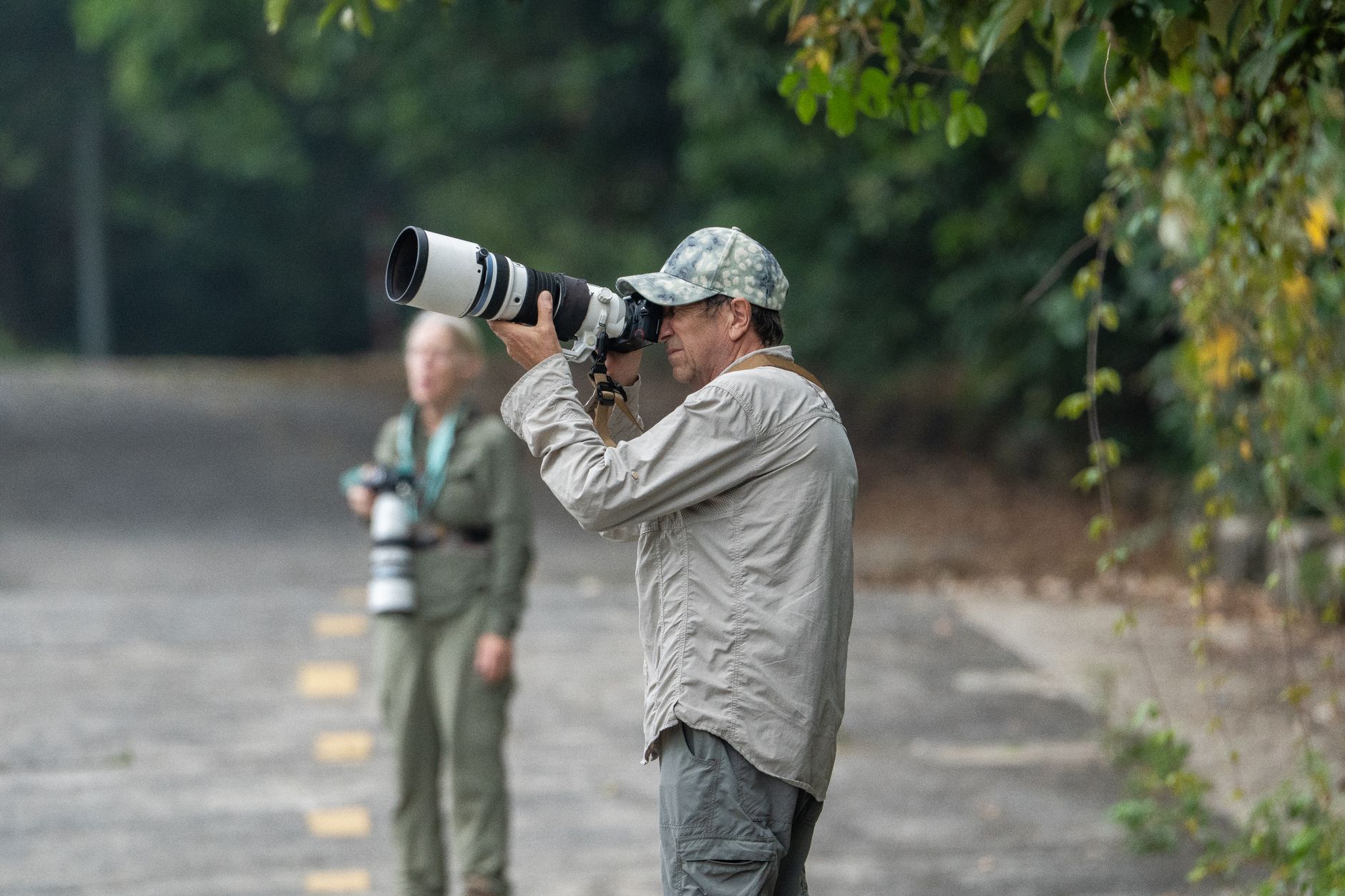
Robotic zoom cameras designed for wildlife photography excel in capturing distant subjects with precision. The latest models, like the one developed by former DJI engineers, offer a 50x zoom and AI tracking capabilities. These features allow photographers to maintain sharp focus on fast-moving animals without manual adjustments.
Zoom Range and Optical Quality
A 50x zoom lens provides the reach needed for photographing skittish birds or mammals without disturbing them. Optical zoom maintains image quality better than digital zoom, as it physically adjusts the lens elements rather than cropping the image. This is critical when shooting in low light or when fine feather or fur details matter.
AI Tracking and Subject Recognition
Advanced AI tracking systems can follow moving subjects across the frame, even through obstructions like foliage. One model identifies over 300 bird species, useful for researchers and enthusiasts documenting biodiversity. The system uses pattern recognition to lock onto subjects, though performance may vary with complex backgrounds.
Build and Environmental Resistance
Wildlife photography often means working in rain, dust, or extreme temperatures. Look for cameras with weather-sealed construction and durable materials. Some models incorporate vibration reduction to stabilize shots when mounted on tripods or hides, crucial for long zoom shots where even minor shakes blur images.
Power and Connectivity Options
Remote locations demand reliable power solutions. Check battery life specifications and whether the camera supports external power packs. Wireless connectivity enables remote operation from smartphones or tablets, letting photographers control the camera from blinds or vehicles without startling wildlife.
Integration with Existing Gear
Consider mounting compatibility with tripods, gimbals, or hides. Some robotic cameras use standard tripod threads, while others require proprietary mounts. Verify if the system works with your preferred editing software for streamlined post-processing workflows.
Making the Final Decision
Compare specific models based on your most frequent shooting scenarios. For bird photographers, species recognition and high zoom matter most. Mammal watchers might prioritize low-light performance and faster tracking. Test units in person when possible to assess handling and menu responsiveness before committing.