AI Technology Raises Questions About Future of Traditional Cameras
Recent developments in artificial intelligence have introduced a technology called Brain Interaction Transformer (BIT), which can read human brain waves and reconstruct visual images without the need for traditional cameras.
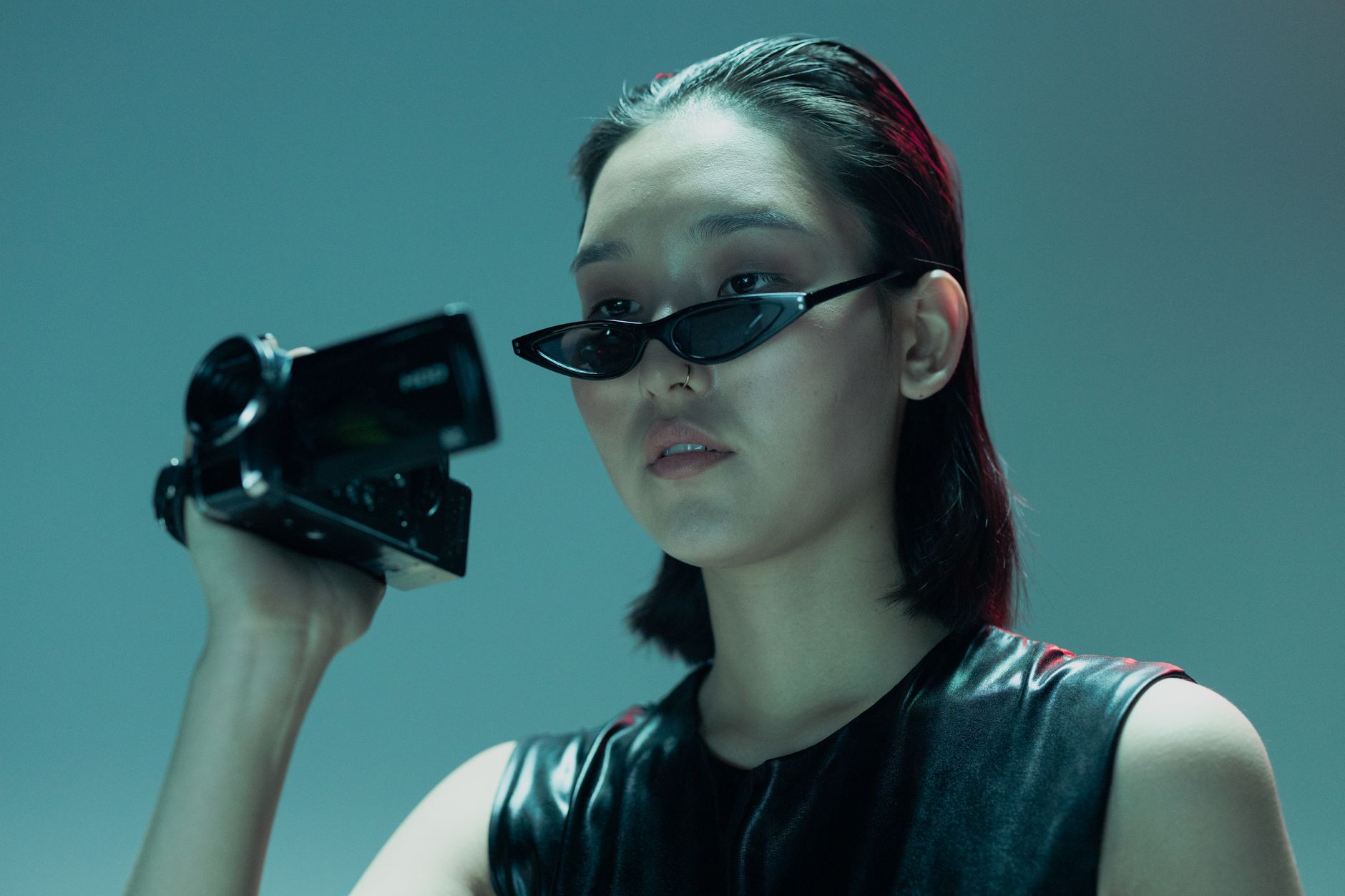
AI Mind-Reading Technology
Recent developments in artificial intelligence have introduced a technology called Brain Interaction Transformer (BIT), which can read human brain waves and reconstruct visual images without the need for traditional cameras. This technology, presented by researchers from the Weizmann Institute of Science, utilizes functional MRI (fMRI) scans to interpret brain signals, translating them into visual representations. The system employs a diffusion process to predict images based on the semantic information extracted from brain activity, marking a significant leap in AI capabilities.
Comparison with Existing Technologies
The BIT technology is not the first of its kind; previous attempts such as MindTurner, MindEye2, and NeuroVLA have explored similar concepts. However, BIT is noted to be more accurate than previous attempts in interpreting brain signals. The development builds on research dating back to 2013, which identified that different cognitive aspects of object recognition occur in distinct areas of the brain. This historical context highlights the ongoing evolution of AI in understanding human cognition and its implications for visual representation.
Implications for Photography and Videography
The emergence of mind-reading AI raises critical questions about the future necessity of traditional cameras for photography and videography. If AI can accurately reconstruct images based solely on brain activity, the role of conventional imaging devices may be challenged. This shift could lead to a significant transformation in how visual content is created, potentially reducing reliance on physical cameras.
The Role of Data in AI Learning
A notable aspect of the BIT technology is its requirement for extensive data to function effectively. The researchers noted that the usual goal is around 40 hours of training to achieve optimal performance. Initial tests were conducted using the Natural Scenes Dataset (NSD), which consists of 73,000 pairs of images-one real and one derived from fMRI scans. This reliance on substantial datasets underscores the complexity of training AI systems for accurate image reconstruction.
Future of Image Creation
As AI technology continues to advance, professionals in photography and videography may need to adapt to new methods of image creation. The potential for AI to simulate visual experiences could lead to a reevaluation of the tools and techniques traditionally used in these fields. While the current capabilities of AI are impressive, the long-term implications for creative professionals remain to be fully understood.
Conclusion
The rise of AI technologies like BIT signals a pivotal moment in the intersection of artificial intelligence and visual media. As these technologies develop, industry professionals should stay informed about their potential impact on traditional imaging practices. Engaging with these advancements could provide new opportunities for creativity and innovation in photography and videography.


